


Asphalt Shingle Roof Performance in Coastal Weather

Living near the coast comes with many benefits, from beautiful water views to fresh sea air. However, coastal weather can be hard on a home's exterior, especially the roof. Salt air, high humidity, strong winds, heavy rain, changing temperatures, and seasonal storms can all affect how long a roofing system lasts.
Asphalt shingles remain a popular roofing choice because they offer a practical balance of cost, appearance, durability, and ease of repair. But homeowners near the water often have an important question: how well do asphalt shingle roofs actually perform in coastal weather?
The answer depends on the quality of the shingles, the roofing system underneath them, installation methods, ventilation, maintenance, and exposure to local weather.
For homeowners on Shelter Island, these factors are especially important. Bartilucci Construction works with roofing systems designed for the conditions local homes face throughout the year. Understanding how coastal weather affects asphalt shingles can help homeowners make better choices about installation, maintenance, repair, and roof replacement.
Do Asphalt Shingles Perform Well in Coastal Weather?
Yes, quality asphalt shingles can perform well in coastal weather when contractors install the complete roofing system correctly and use products suited to the home's exposure.
Not every asphalt shingle provides the same level of protection. Basic shingles may offer a lower upfront cost, but higher-quality architectural shingles often provide better strength and wind resistance. That can make a major difference in coastal communities.
The shingles themselves are only one part of the roof. Roof decking, underlayment, flashing, fasteners, ventilation, drip edges, valleys, and other components also affect performance.
A roof that uses good shingles but poor installation methods can still develop problems. In contrast, a properly designed roofing system can provide reliable protection through changing coastal conditions.
For this reason, homeowners should think about the complete roof rather than focusing only on the visible shingles.
How Does Salt Air Affect Asphalt Shingle Roofs?
Salt air is one of the main concerns for homes close to the water.
Salt does not affect asphalt shingles in exactly the same way that it affects exposed metal. However, constant exposure to salty, humid air can contribute to the overall aging of a roofing system.
Salt deposits may collect on roof surfaces over time. Moisture can also remain around certain roof areas longer in a humid coastal environment. These conditions may contribute to staining, biological growth, and gradual wear.
The metal components of an asphalt shingle roofing system also deserve attention. Flashing, fasteners, vents, gutters, and other metal parts can face corrosion risks in salty environments if the materials are not appropriate for coastal use.
This is why coastal roof performance depends on more than the shingles alone. Contractors must consider every exposed part of the system when selecting roofing materials.
Regular inspections can help identify corrosion, damaged flashing, loose shingles, and other problems before they lead to leaks.

Can Strong Coastal Winds Damage Asphalt Shingles?
Strong wind is one of the biggest threats to an asphalt shingle roof near the coast.
Wind does not always remove an entire shingle immediately. In some cases, repeated wind pressure slowly weakens the shingle's seal or fastening points. Once an edge begins to lift, future wind can place even more pressure underneath it.
Eventually, the shingle may curl, crack, loosen, or blow away.
Homes with open exposure to bays, waterways, or large open spaces may experience stronger wind pressure than homes protected by surrounding buildings and trees.
Proper installation is therefore very important.
Shingles must be installed according to the manufacturer's fastening requirements. Contractors also need to pay close attention to roof edges, ridges, hips, valleys, and other areas where wind pressure can become stronger.
Higher-quality architectural asphalt shingles may also provide better wind performance than basic products when installed according to the manufacturer's specifications.
After a strong coastal storm, homeowners should check for visible changes to the roof and arrange a professional inspection when damage is suspected.
How Does Heavy Rain Affect an Asphalt Shingle Roof?
Asphalt shingles are designed to shed rainwater, but they are not the only waterproofing component of a roofing system.
Rainwater flows down the roof and into the gutter system. Problems begin when water finds an opening around damaged shingles, flashing, roof penetrations, valleys, or edges.
Wind-driven rain can create an even greater challenge.
During a coastal storm, strong winds can push rain in directions that normal rainfall does not travel. Water may reach small gaps around flashing or get underneath shingles that have already started lifting.
The underlayment beneath the shingles provides an important extra layer of protection.
Flashing is also critical around chimneys, skylights, vents, walls, and other roof penetrations. If flashing becomes damaged or poorly sealed, rainwater may enter the roofing system even when nearby shingles still look good.
A coastal asphalt shingle roof therefore needs several layers of protection working together.
Does Coastal Humidity Shorten the Life of Asphalt Shingles?
High humidity can affect roof performance, especially when poor ventilation allows heat and moisture to build up inside the attic.
A properly ventilated roofing system allows air to move through the attic space. This helps manage excess heat and moisture.
Without enough ventilation, moisture can collect inside the roof structure. Over time, that can contribute to mold, damaged insulation, wood deterioration, and problems with the roof deck.
Heat buildup can also place additional stress on asphalt shingles.
Homeowners sometimes focus entirely on the outside surface of the roof while overlooking attic conditions. However, roof performance depends on both exterior protection and proper airflow underneath the roof deck.
A professional roof inspection should therefore consider ventilation along with visible shingle condition.
What Type of Asphalt Shingles Are Better for Coastal Homes?
Architectural asphalt shingles are often worth considering for coastal homes because they are generally thicker and more substantial than traditional basic 3-tab shingles.
Their layered design can provide improved durability while also creating a more dimensional appearance.
However, homeowners should not select shingles based on appearance alone.
Wind rating, product quality, manufacturer requirements, warranty terms, installation method, and compatibility with the rest of the roofing system all matter.
The best asphalt shingle for one home may not automatically be the best choice for another property.
Roof pitch, surrounding trees, wind exposure, building design, distance from the water, and existing roof structure can all affect the decision.
A roofing contractor familiar with coastal homes can evaluate these conditions before recommending a roofing material.
For Shelter Island homeowners, Bartilucci Construction can assess the property and help determine which roofing system makes sense for its specific coastal exposure.
How Important Is Roof Installation in Coastal Areas?
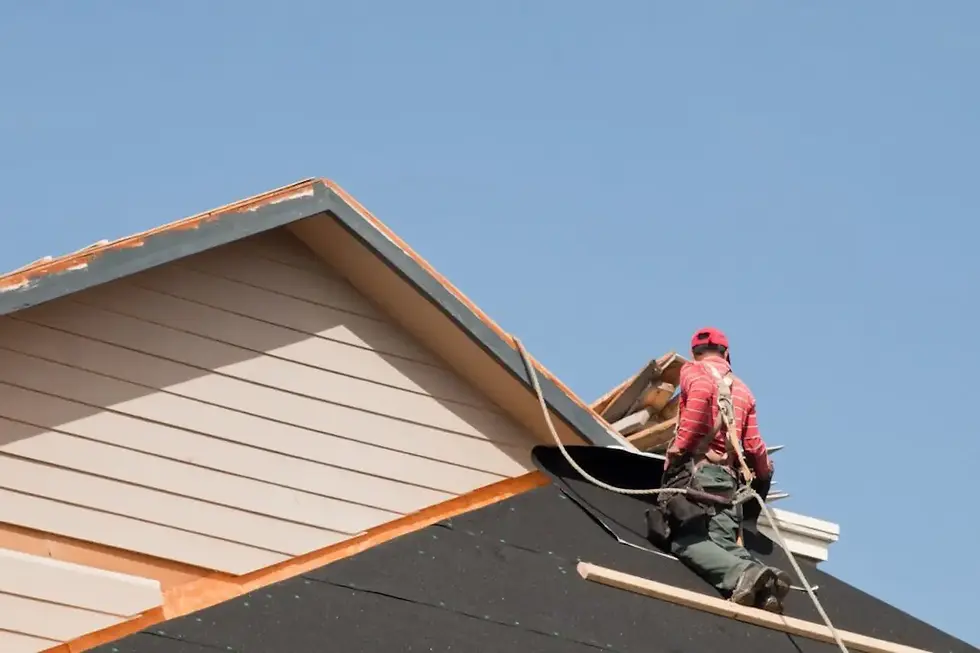
Installation quality is one of the most important factors in asphalt shingle roof performance.
Even a premium roofing product can fail early when installed incorrectly.
Shingle placement, nail location, fastener quantity, underlayment, starter strips, flashing, ridge protection, ventilation, and roof edges all require careful attention.
Small installation mistakes can become major problems during a coastal storm.
For example, incorrect fastening may make shingles more likely to lift during high winds. Poor flashing can allow rainwater into the structure. Improper ventilation can trap heat and moisture beneath the roof.
Coastal roofing requires attention to the complete system.
Homeowners should work with roofing professionals who understand both manufacturer requirements and the challenges created by local weather conditions.
Correct installation at the beginning can reduce the risk of premature repairs later.
What Are the Signs of Coastal Weather Damage on Asphalt Shingles?
Coastal roof damage is not always obvious from the ground.
Missing shingles are easy to notice, but other warning signs may develop slowly.
Shingle edges may begin curling or lifting. Granules can loosen from the shingle surface and collect in gutters. Some shingles may crack after years of weather exposure and temperature changes.
Dark stains or unusual growth may also appear in areas that remain damp.
Inside the home, water stains on ceilings or walls can point to a roof leak. Damp attic insulation, musty smells, visible moisture, or damaged roof decking may also indicate that water has entered the roofing system.
Another warning sign is damaged flashing around chimneys, vents, skylights, and other roof openings.
Homeowners should not wait for water to drip into a living space before paying attention to their roof.
Early detection usually gives a roofing contractor more options for addressing the problem.
How Often Should Coastal Asphalt Shingle Roofs Be Inspected?
Coastal roofs benefit from regular professional inspections because weather conditions can change their condition faster than homeowners realize.
An inspection can identify loose shingles, damaged flashing, worn sealant, exposed fasteners, drainage problems, granule loss, and other signs of deterioration.
Inspections are especially useful after major storms.
A roof may appear normal from the driveway even when wind has loosened shingles or damaged flashing higher up. Small problems can allow water into the roofing system during the next storm.
Routine inspections can also help homeowners plan ahead.
Instead of discovering serious roof damage during an emergency, they can address maintenance needs earlier and prepare financially for larger repairs or replacement.
This proactive approach is especially valuable for homes exposed to coastal wind, rain, salt air, and seasonal weather changes.
Can Regular Maintenance Extend the Life of a Coastal Shingle Roof?
Yes. Regular roof maintenance can help an asphalt shingle system perform better and may prevent minor problems from becoming expensive repairs.
Maintenance starts with keeping the roofing and drainage system functioning correctly.
Gutters should allow water to move away from the roof efficiently. Leaves, branches, and other debris should not remain trapped in roof valleys or drainage areas.
Damaged or missing shingles should receive attention before another storm arrives.
Flashing and roof penetrations also need periodic inspection because these areas are common sources of leaks.
Homeowners should avoid walking on the roof unless necessary. Walking across asphalt shingles can damage granules or shingles, especially when roofing materials are very hot, cold, wet, or already worn.
Professional inspections offer a safer way to check roof conditions and identify areas that need maintenance.
How Do Temperature Changes Affect Asphalt Shingles Near the Coast?
Coastal roofs experience changing temperatures throughout the year.
Roofing materials naturally expand when temperatures rise and contract when temperatures fall. This repeated movement can place stress on shingles, flashing, sealants, and fasteners over many seasons.
Cold weather can make some roofing materials less flexible, while strong summer sun can heat the roof surface considerably.
Temperature changes become more important when shingles are already old or damaged.
Small cracks can grow. Weak seals may loosen. Existing gaps around flashing can become more serious.
Proper installation gives roofing materials enough support to handle normal seasonal movement. Good attic ventilation also helps control excessive heat underneath the roof.
These details can improve overall roof performance and reduce unnecessary stress on the asphalt shingle system.
How Long Can Asphalt Shingle Roofs Last in Coastal Conditions?
There is no single lifespan that applies to every coastal asphalt shingle roof.
Shingle quality, installation, maintenance, ventilation, storm exposure, wind conditions, sun exposure, roof pitch, surrounding vegetation, and moisture levels all affect how long a roof performs.
A well-installed roofing system using quality materials will generally perform better than a low-quality system that receives little maintenance.
Coastal conditions can create additional wear, which makes routine inspections particularly valuable.
Homeowners should also remember that roof age alone does not determine whether replacement is necessary.
A relatively young roof can suffer major storm damage, while an older roof that has been installed and maintained properly may remain serviceable.
A professional assessment provides a clearer picture of the roof's actual condition.
Should You Repair or Replace a Weather-Damaged Shingle Roof?
The choice between roof repair and replacement depends on the extent of the damage and the overall condition of the roofing system.
A small area with a few damaged shingles may only need repair if the surrounding roof remains in good condition.
Widespread curling, cracking, missing shingles, repeated leaks, significant granule loss, or deterioration across several roof sections may point toward a larger problem.
The age of the roofing system also matters.
Repairing one small section of a roof near the end of its useful service life may only delay the need for replacement. In that situation, homeowners should compare the cost and expected life of repairs with the long-term value of installing a new roofing system.
A professional roof inspection can help determine whether repair or replacement makes more sense.
Why Does Local Coastal Roofing Experience Matter?
Coastal roofing involves conditions that homeowners in many inland communities do not face at the same level.
Contractors working in coastal areas need to understand wind exposure, moisture, salt air, storm patterns, drainage, ventilation, flashing, and suitable roofing materials.
Local knowledge can also help when evaluating how a particular property is exposed to the weather.
A waterfront home with little protection may have different roofing needs from a home surrounded by trees and nearby structures.
Shelter Island is a coastal community, so roofing decisions should reflect those local conditions.
Bartilucci Construction provides residential roofing services for Shelter Island homes and understands the demands that coastal weather places on roofing systems. Choosing materials and installation methods based on the actual environment can help homeowners get better long-term performance from their roofs.
How Can Shelter Island Homeowners Protect Their Asphalt Shingle Roofs?
The best way to protect a coastal asphalt shingle roof is to take a preventive approach.
Do not wait until a leak appears inside the house.
Pay attention to visible changes after storms. Keep gutters and drainage areas clear. Address damaged shingles promptly. Make sure attic ventilation works correctly. Have flashing and roof penetrations checked when necessary.
Most importantly, schedule professional roof inspections so hidden problems can be found before they spread.
A roof works as one complete system. Shingles, underlayment, decking, flashing, ventilation, gutters, and fasteners must all work together to protect the home.
Good materials matter, but correct installation and ongoing maintenance are just as important.

Final Thoughts on Asphalt Shingle Roof Performance in Coastal Weather
Asphalt shingles can provide dependable protection for coastal homes when homeowners choose quality products and contractors install the roofing system correctly.
Salt air, strong wind, humidity, heavy rain, storms, sun exposure, and seasonal temperature changes can place extra stress on any roof. Coastal homeowners therefore need to pay closer attention to shingle quality, fastening, flashing, underlayment, ventilation, and regular maintenance.
For Shelter Island homeowners, choosing a roofing contractor with local coastal experience can make a meaningful difference. Bartilucci Construction understands the conditions Shelter Island roofs face and provides roofing installation, inspection, repair, and replacement services designed around those needs.
A strong coastal roof is not simply about choosing asphalt shingles. It is about building and maintaining a complete roofing system that can continue protecting the home season after season.
Frequently Asked Questions
Are asphalt shingles suitable for homes near the ocean?
Yes. Quality asphalt shingles can work well for coastal homes when they have suitable wind resistance and are installed as part of a properly designed roofing system.
Does salt air damage asphalt shingles?
Salt air can contribute to overall weathering and can be especially hard on exposed metal roofing components. Regular inspections help identify deterioration before it causes larger problems.
Are architectural shingles better for coastal homes?
Architectural shingles are often a strong option because they are generally thicker and more durable than basic 3-tab shingles. The right product still depends on the home's design, location, wind exposure, and roofing requirements.
Can coastal winds blow asphalt shingles off a roof?
Yes. Strong winds can lift or remove shingles, especially when they are damaged, old, poorly sealed, or incorrectly fastened. Proper installation plays a major role in wind resistance.
Should I inspect my roof after a coastal storm?
Yes. A professional inspection after a severe storm can identify loose shingles, damaged flashing, leaks, and other problems that may not be visible from the ground.
What causes asphalt shingles to lose granules?
Age, weather exposure, foot traffic, storms, and normal wear can all contribute to granule loss. Excessive granule loss may indicate that shingles are deteriorating and should be inspected.
Can a few damaged shingles be repaired?
Often, yes. If damage is limited and the rest of the roofing system remains in good condition, individual shingles or a small roof section may be repairable. Widespread damage may require a different approach.
What makes a coastal asphalt shingle roof last longer?
Quality shingles, correct installation, proper underlayment, effective flashing, good attic ventilation, regular inspections, clear drainage, and timely repairs can all support longer roof performance.


Comments