


How to Design Custom Floor Plans for Long-Term Living
- Devin Scott
- Feb 10
- 4 min read
Creating a home that supports your lifestyle for years requires careful planning, smart layouts, and a clear understanding of your family’s needs. Bartilucci Construction specializes in designing custom floor plans that prioritize comfort, functionality, and long-term usability. Every decision, from room placement to traffic flow, ensures your home adapts to changing needs while reflecting your personal style.
Long-term living means thinking beyond immediate needs. It involves designing spaces that accommodate future growth, accessibility, and evolving lifestyle preferences. On Shelter Island, where homes combine coastal charm with modern living, a thoughtfully designed floor plan enhances both daily comfort and long-term investment value.
Why Custom Floor Plans Matter for Longevity?
Choosing a pre-designed layout can save time but often limits flexibility. Custom floor plans allow you to create a home tailored to your exact needs, ensuring every room, hallway, and space serves a purpose. Planning ahead helps prevent costly renovations in the future and supports lifestyle changes, such as adding a home office, expanding family areas, or creating multi-generational living spaces.

Custom designs also consider local conditions on Shelter Island, such as maximizing natural light, views, and airflow. Bartilucci Construction integrates these elements seamlessly to create homes that are both functional and beautiful.
How to Begin Planning Your Floor Plan
Start by evaluating your current and future needs. Consider factors like the number of bedrooms and bathrooms, living areas, storage solutions, and multi-functional spaces. Identify what aspects of your current home work well and what you would like to improve.
Working with an experienced construction company early ensures that your ideas are feasible. Bartilucci Construction collaborates with clients to create detailed floor plans that balance style, efficiency, and comfort while staying within budget.
Which Layouts Maximize Comfort and Usability
Open-concept layouts remain popular because they create a sense of spaciousness and allow flexible furniture arrangements. However, private spaces like separate bedrooms, offices, or reading nooks are essential for long-term comfort.
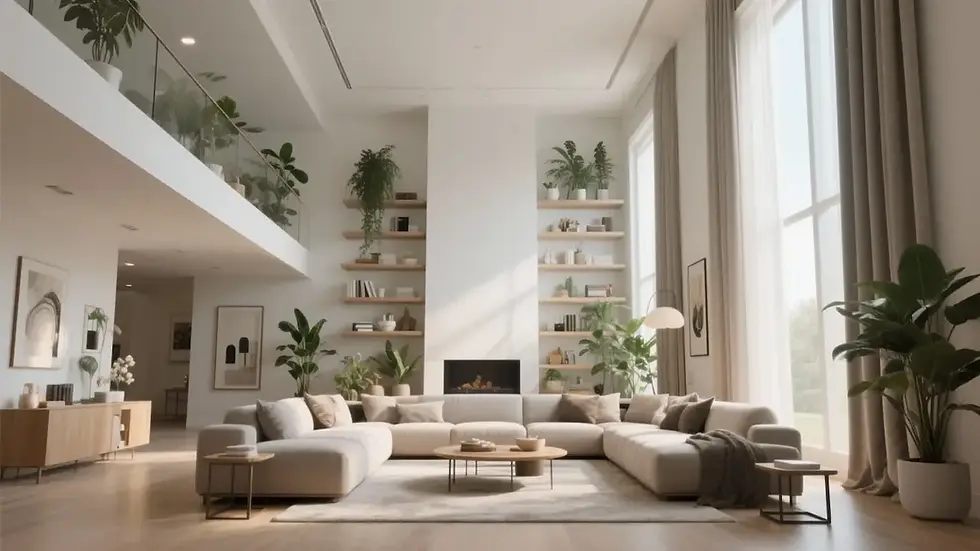
Strategic room placement enhances daily life. Bedrooms on the upper floors, living spaces near kitchens, and easy access to bathrooms all contribute to a home that feels comfortable and intuitive. Bartilucci Construction ensures that your floor plan optimizes both movement and functionality.
When to Incorporate Multi-Generational and Accessibility Features
Long-term living requires anticipating future needs. Wide hallways, single-floor living areas, and accessible bathrooms make your home comfortable as mobility needs change. Multi-generational design allows family members of different ages to live comfortably under one roof without compromising privacy.
By integrating these features during the planning phase, you avoid costly modifications later and ensure your home remains functional for decades.
What Role Do Energy-Efficient Materials Play in Floor Plan Design
Integrating energy-efficient solutions during floor plan design improves long-term comfort and reduces utility costs. Strategic window placement maximizes natural light, while insulation and ventilation plans enhance energy efficiency.
Bartilucci Construction guides clients in selecting materials that support energy efficiency without sacrificing aesthetics. This approach aligns with other aspects of your home, such as structural durability and coastal style, creating a cohesive, sustainable living environment.
How Coastal Style Influences Floor Plans
On Shelter Island, many homeowners prefer a coastal aesthetic that combines elegance with functionality. Floor plans often include expansive outdoor living areas, large windows for scenic views, and open interior spaces to create a seamless indoor-outdoor connection.

Customizing your floor plan with coastal design in mind ensures your home feels bright, airy, and welcoming while standing up to local weather conditions. Bartilucci Construction blends style with durability, making your home both beautiful and resilient.
Which Design Choices Enhance Flexibility Over Time
Future-proof homes incorporate adaptable spaces, like rooms that can transition from a guest bedroom to a home office or a playroom to a study. Built-in storage, modular furniture layouts, and movable partitions allow your home to evolve with your lifestyle.
A well-designed floor plan accommodates changes without disrupting the overall flow or aesthetic of the home, keeping your living environment functional and comfortable for years.
Conclusion:
Designing custom floor plans for long-term living requires foresight, creativity, and collaboration with experienced builders. Bartilucci Construction helps clients create homes that combine functionality, style, and durability. Every detail, from room placement to material selection, focuses on enhancing daily life while anticipating future needs.
Your floor plan becomes the foundation for a home that grows with your family, supports changing lifestyles, and provides comfort and efficiency for years to come.
Frequently Asked Questions
Why should I choose a custom floor plan over a pre-designed layout?
Custom floor plans allow flexibility, adaptability, and personalization, making your home more functional and long-lasting.
How can I ensure my home is suitable for long-term living?
Incorporate multi-generational spaces, accessibility features, and energy-efficient materials during the planning phase.
Can coastal design influence floor plan decisions?
Yes, features like large windows, outdoor living areas, and open layouts enhance views, natural light, and comfort while complementing the coastal environment.
What areas of the home should be prioritized for functionality?
Living spaces, kitchens, bathrooms, and storage areas benefit most from thoughtful placement and design for daily convenience.
How does planning for flexibility affect future renovations?
Homes designed with adaptable spaces and multi-use rooms reduce the need for major renovations, saving time and money in the long term.


Comments