


What Should You Know Before Building a Custom Home on Shelter Island?

Updated: Sep 7
Building a custom home on Shelter Island gives you the chance to create a house that truly fits your lifestyle, property, and surroundings. However, building on an island comes with details that homeowners should understand before construction begins.
Local building requirements, coastal weather, property conditions, material choices, design decisions, and project planning can all affect your custom home. Understanding these factors early can help you avoid delays and make better decisions throughout the project.
Bartilucci Construction understands the unique demands of building on Shelter Island because the company is locally based and works directly within the community. From custom home construction and framing to roofing, siding, decks, and renovations, Bartilucci Construction works with homeowners to create homes suited to Shelter Island living.
If you are thinking about building a custom home on Shelter Island, here are the most important things to know before you start.
What Should You Consider Before Building a Custom Home on Shelter Island?
Before building a custom home, you should consider your property, budget, design goals, local building requirements, coastal conditions, and long-term needs. These factors can influence almost every part of your project.
Start by thinking about how you want to use the home. Will it be your main residence, a seasonal home, or a property your family will use for many years? Your answer can affect the size, layout, materials, storage, outdoor spaces, and energy features you choose.
You should also understand your property before finalizing the design. Lot size, setbacks, drainage, topography, access, and existing site conditions may affect what you can build.
Planning these details before construction can reduce costly changes later.
Do You Need a Building Permit for a Custom Home on Shelter Island?
Yes. New home construction requires proper permits and approvals before work can begin.
The Town of Shelter Island Building Department requires specific documents as part of the building permit process. Depending on the project and property, these can include stamped plans, a property survey, and other required approvals.
New construction may also require a topographical survey. Waterfront and low-lying properties can have additional considerations.
Building permits are not simply paperwork. They help confirm that your home follows applicable building, zoning, safety, and property requirements.
Working with professionals who understand the local process can make planning easier and reduce the risk of submitting incomplete information.
How Does the Shelter Island Location Affect Custom Home Construction?
Shelter Island offers a beautiful place to live, but its location creates construction challenges that are different from many inland communities.
Homes can face salt air, moisture, strong winds, heavy rain, changing temperatures, and other coastal conditions. These factors should influence the way your home is designed and built.
The island setting can also affect construction planning and the movement of certain materials and equipment. Good scheduling becomes especially important when different stages of a project depend on deliveries, inspections, and site access.
A builder with local knowledge can plan around these conditions instead of treating your Shelter Island home like a standard inland construction project.
How Should You Set a Budget for a Custom Home?
Your custom home budget should cover more than the basic cost of construction. It should account for the complete project from early planning through final finishes.
The size of the home, architectural complexity, site preparation, structural requirements, roofing, siding, windows, doors, flooring, kitchens, bathrooms, decks, and interior finishes can all affect the final investment.
Property conditions also matter. A difficult site may require more preparation than a flat and easily accessible lot.
Custom choices can also change the budget quickly. Premium windows, specialty roofing, custom cabinetry, large outdoor living spaces, and high-end finishes may increase costs.
It is helpful to discuss your priorities with your builder early. Decide which features are essential and where you have flexibility. This makes it easier to control the budget without losing the features that matter most to you.
How Should You Design a Custom Home for Shelter Island?
A good Shelter Island custom home should balance your personal style with the property's natural setting and local conditions.
Start with the way you actually plan to live in the house. Think about bedrooms, bathrooms, kitchen space, storage, home offices, guest rooms, outdoor areas, and how people will move through the home.
Natural light and views may also play an important role. Properly placed windows can bring more daylight into the home and help connect indoor spaces with the surrounding landscape.
Should You Plan Outdoor Living Areas?
Outdoor living can be an important part of a Shelter Island home.
Decks, porches, patios, outdoor showers, and other exterior spaces can make the property more enjoyable during warmer months. However, these areas should be designed with durability in mind.
Materials used outdoors need to handle moisture, sun, salt air, and changing weather conditions. The right design can help your outdoor areas remain attractive and functional for years.
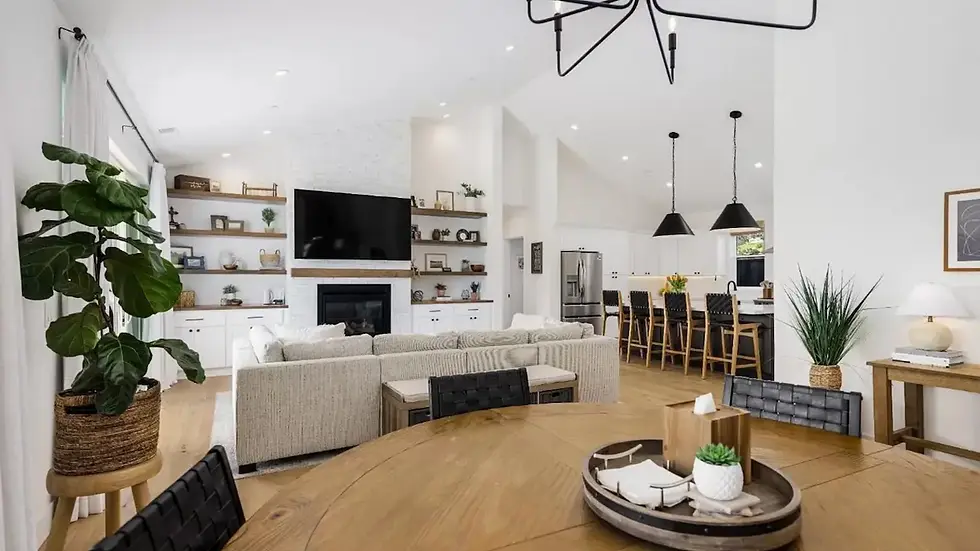
Which Building Materials Work Well for Shelter Island Homes?
Materials for a Shelter Island custom home should provide the right balance of appearance, durability, maintenance, and weather resistance.
Exterior materials deserve special attention because they receive constant exposure to the elements.
Roofing should be selected with wind, rain, moisture, and long-term performance in mind. Siding should protect the structure while matching the architectural style of the home. Windows, exterior trim, decking, flashing, and fasteners should also be selected for the environment where they will be used.
Material selection should not focus only on appearance.
A product that looks attractive when installed may require frequent maintenance if it is not suited to coastal conditions. Durable construction materials may cost more initially but can help reduce maintenance and replacement needs over the life of the home.
Why Is Proper Framing Important for a Custom Home?
Framing creates the structural framework of your home. It determines the shape of the building and supports many of its major components.
Accurate residential framing helps walls, floors, ceilings, doors, windows, and roofing systems come together correctly. Mistakes during this stage can create problems that become harder and more expensive to fix once construction moves forward.
Custom home framing also needs to follow the approved architectural and structural plans.
Quality workmanship at this stage provides a strong foundation for everything that follows, including insulation, drywall, siding, roofing, interior finishes, and mechanical systems.
For a custom home, framing should never be treated as a minor part of the construction process.
How Important Are Roofing and Siding for a Shelter Island Home?
Roofing and siding are extremely important because they form major parts of your home's exterior protection.
Your roof protects the structure from rain, wind, moisture, sun, and seasonal weather. A properly installed roofing system also helps direct water away from vulnerable areas of the building.
Siding provides another protective layer while contributing heavily to the appearance of your home.
On Shelter Island, homeowners should consider siding materials that can handle local environmental conditions. Options may include cedar, fiber cement, vinyl, composite, or other materials depending on the design and performance requirements of the property.
Installation quality matters just as much as the product itself. Even a high-quality material may perform poorly when it is installed incorrectly.
How Long Does It Take to Build a Custom Home on Shelter Island?
There is no single construction timeline that applies to every custom home.
The total schedule depends on the size and complexity of the house, architectural plans, permit approvals, site preparation, material availability, inspections, weather, custom features, and other project-specific conditions.
The process generally moves through several major stages. Planning and design come first, followed by approvals and permits. Site preparation and foundation work then create the base for the structure.
Framing forms the home itself. Roofing, siding, windows, plumbing, electrical work, insulation, and interior construction follow.
Required inspections also occur at different stages of construction.
Trying to rush these stages can create problems. A realistic schedule should allow enough time for proper workmanship, inspections, weather conditions, and unexpected site issues.

What Inspections Can Be Required During Construction?
A custom home is not inspected only when construction is complete. Inspections can take place throughout the project.
Depending on the work involved, inspections may cover footings, foundation components, framing, rough plumbing, rough electrical work, insulation, gas lines, and final construction.
Special conditions attached to a permit may create additional inspection requirements.
This is another reason careful project management matters. Work needs to progress in the correct order so that required areas remain accessible when an inspection takes place.
Keeping construction aligned with approved plans and inspection requirements can help prevent unnecessary project delays.
Why Should You Choose a Local Shelter Island Custom Home Builder?
Local experience can provide a major advantage when building a custom home on Shelter Island.
A local general contractor understands more than construction methods. They are familiar with the island's environment, property conditions, local building processes, seasonal considerations, and the practical details of completing projects in the area.
That knowledge can help during planning, material selection, scheduling, and construction.
Communication also matters during a custom home project. You should choose a builder who explains the process clearly, discusses changes before moving forward, and keeps you informed about progress.
A custom home is a major investment. You want a contractor who understands both your vision and the place where the home is being built.
How Can You Make a Custom Home More Energy Efficient?
Energy efficiency should be considered during the design stage rather than added as an afterthought.
Proper insulation, quality windows, efficient heating and cooling systems, air sealing, and thoughtful building orientation can all improve home performance.
The building envelope is especially important. The roof, walls, windows, doors, insulation, and air barriers should work together to help control indoor temperatures and moisture.
Energy-efficient construction can make the home more comfortable while potentially reducing long-term energy use.
Discuss these goals with your architect and builder early so energy perormance can be considered throughout the design and construction process.
What Mistakes Should You Avoid When Building a Custom Home?
One of the biggest mistakes is starting construction without enough planning.
Changing major features after work begins can increase costs and extend the schedule. Take time to review the layout, room sizes, storage, windows, exterior design, materials, and finishes before construction reaches those stages.
Another mistake is choosing materials based only on price or appearance. Shelter Island's coastal environment makes durability an important consideration.
Homeowners should also avoid selecting a contractor based only on the lowest estimate. Experience, workmanship, communication, local knowledge, project management, and reliability can be equally important.
Finally, do not ignore your future needs. A custom home should work for you today while remaining practical for the years ahead.
How Do You Start Building a Custom Home on Shelter Island?
Start by defining what you want from your property and speaking with experienced local professionals.
Think about the approximate size of your home, preferred architectural style, number of rooms, outdoor spaces, budget, and features that matter most to your family.
The property should then be evaluated to understand what can reasonably be built. From there, architectural plans, engineering requirements, permits, material selections, and construction planning can move forward.
Getting your builder involved early can also be helpful. Construction experience can identify practical issues before they become expensive changes during the build.

Is Building a Custom Home on Shelter Island Worth It?
For homeowners who want greater control over their property's layout, design, materials, and features, building a custom home on Shelter Island can be a rewarding investment.
The key is careful planning.
You need to consider local requirements, coastal conditions, construction quality, durable materials, your budget, and the way you plan to use the home. Choosing professionals who understand Shelter Island can make those decisions much easier.
Bartilucci Construction brings local knowledge to custom home building, framing, roofing, siding, decks, additions, and other construction projects on Shelter Island. Because every property and homeowner has different needs, the construction process should begin with a clear understanding of the site and your goals.
When you are ready to turn your ideas into a home built around your lifestyle, Bartilucci Construction can help you plan and build with Shelter Island's unique conditions in mind.
Frequently Asked Questions
How much does it cost to build a custom home on Shelter Island?
The cost depends on the home's size, design, site conditions, materials, finishes, labor requirements, and custom features. A detailed estimate should be based on your specific plans and property rather than a general square-foot figure.
Do I need an architect to build a custom home on Shelter Island?
New home construction generally requires professionally prepared plans and supporting documentation. Shelter Island's building permit instructions require stamped plans as part of the application process. Your exact requirements should be confirmed with the appropriate local authorities and professionals.
Can I build a custom home on a waterfront property on Shelter Island?
It may be possible, but waterfront properties can have additional site, survey, environmental, setback, and approval requirements. Review these conditions before finalizing your home design.
What is the best siding for a Shelter Island custom home?
The right siding depends on the home's design, budget, maintenance preferences, and exposure. Cedar, fiber cement, vinyl, and composite siding can be considered, but materials should be selected with Shelter Island's coastal conditions in mind.
What should I look for in a Shelter Island home builder?
Look for relevant construction experience, strong local knowledge, quality workmanship, clear communication, familiarity with local requirements, and experience building homes that can handle coastal conditions.
When should I contact a custom home builder?
It can be useful to involve a builder during the early planning stage. Early construction input can help you evaluate your property, budget, materials, design decisions, and practical construction requirements before work begins.


Comments