


Drywall and Finishing Touches for Solid Interiors

When you walk into a room, you notice the walls, ceilings, corners, and trim right away. These parts shape the look and feel of the whole space. Smooth drywall, clean lines, and neat finishing work make a home feel complete, comfortable, and strong. That is why drywall and interior finishing matter so much in both new construction and remodeling projects.
At Bartilucci Construction, quality work starts with a strong structure and ends with careful detail. Bartilucci Construction understands that solid interiors need more than just framing and paint. They need proper drywall installation, expert wall finishing, and a clean final touch that brings everything together. Bartilucci Construction also offers services like drywall installation, drywall repair, plaster and spackle work, and skim coats, which shows a clear focus on interior quality.
This guide explains how drywall and finishing touches help create solid interiors that look good and last longer. It uses simple language so homeowners can understand what matters most before starting a home improvement project.
What makes drywall important for strong interior walls?
Drywall gives your home its finished wall and ceiling surface. It covers the framing and creates a flat area for paint, trim, tile, or wall decor. Good drywall work helps walls look smooth and feel solid.
Drywall also supports the comfort of a room. It helps separate spaces, reduce small sound transfer, and create a clean indoor look. When a contractor installs drywall the right way, the wall feels even and stable. When drywall work goes wrong, you may see nail pops, cracks, uneven seams, or rough patches.
Strong interiors begin with the basics. If the drywall is not installed well, the final room will never look fully polished. That is why skilled drywall contractors pay close attention to placement, fastening, taping, and finishing.
How does proper drywall installation improve interior quality?
Proper drywall installation creates the base for every finishing step that comes after it. A well installed panel sits flat, lines up correctly, and supports a smooth seam between boards. This makes taping and mudding easier and helps the final paint job look better.

A contractor must measure carefully, cut panels cleanly, and secure them with the right spacing. Good installation reduces movement in the wall and lowers the chance of future cracks. It also helps corners stay sharp and ceilings look even.
Interior quality depends on this hidden craftsmanship. Many people notice paint color first, but the real difference often starts underneath. When drywall installers do careful work from the start, the whole room benefits.
Why do drywall seams and joints need careful finishing?
Drywall seams and joints are the places where separate boards meet. If these areas are not finished well, they become easy to spot after painting. Light from windows and fixtures can highlight every bump, line, or dent.
Careful finishing hides these joints so the wall looks like one smooth surface. This process includes taping, applying joint compound, sanding, and checking the surface again. It takes patience and skill to make seams disappear.
Clean joint finishing also helps a room feel more refined. In living rooms, bedrooms, kitchens, and hallways, smooth walls create a calm and finished appearance. This is one of the small details that can make a big difference in a remodeling project.
What is skim coating and when should you use it?
Skim coating is a thin layer of compound spread over a wall or ceiling to create a smoother surface. Contractors often use it to repair damaged walls, refresh older surfaces, or improve texture before painting.
You should use skim coating when walls have many small flaws, uneven patches, old texture, or visible repair marks. It is also useful after popcorn ceiling removal or before a high quality interior paint job. Smooth walls help paint sit better and reflect light more evenly.
A skim coat can make an old room feel fresh again without changing the structure. It is a smart step when homeowners want clean and modern interior walls.
How do finishing touches make a room look complete?
Finishing touches are the final details that give a room its polished appearance. These include sanding, caulking, corner finishing, trim alignment, clean edges around windows and doors, and a smooth surface ready for paint.
These details may seem small, but they affect how the whole space looks. A room with smooth walls and neat corners feels more finished than one with rough edges or visible patchwork. Good finishing touches also help connect the walls, ceilings, trim, and flooring into one balanced design.
When builders and remodelers care about the final details, homeowners notice the difference right away. Solid interiors do not happen by accident. They come from careful work at every stage.
Can drywall repair improve the look of older interiors?
Yes, drywall repair can greatly improve the look of older interiors. Over time, homes may develop cracks, dents, water damage, holes, and worn surfaces. These problems make rooms look tired and uneven.

Drywall repair restores the wall surface so it looks clean and stable again. A skilled contractor repairs the damaged area, blends it into the surrounding wall, and prepares it for paint. In many cases, a repaired wall can look almost new.
Older homes often need this kind of attention during renovation. Fixing drywall damage is one of the fastest ways to improve the visual quality of a room without making major layout changes.
How do smooth walls help paint and design look better?
Paint always looks better on a smooth surface. When walls are flat and clean, color appears richer and more even. The finish also reflects light more naturally, which helps the whole room feel brighter and cleaner.
Interior design depends on clean surfaces. Whether you choose soft neutral paint, bold accent colors, modern trim, or tile backsplash areas, smooth drywall helps every design choice stand out in the right way. Rough walls can distract from the style of the room and make new finishes look less professional.
If you want a room to feel fresh, updated, and inviting, smooth wall finishing plays a big role. It supports both beauty and function at the same time.
What should homeowners expect during drywall and finishing work?
Homeowners should expect several stages during drywall and finishing work. First comes installation or repair. After that, the contractor tapes joints, applies compound, sands surfaces, and checks for flaws. In some projects, the team may also apply skim coats or repair ceilings before painting begins.
This work can create dust and may take more than one visit because compound needs time to dry between coats. That is normal. Quality drywall finishing is a process, not a one step job.
Homeowners should also expect close attention to detail. Good contractors inspect corners, seams, patches, and wall texture before calling the job complete. The goal is not just to cover the wall. The goal is to create an interior surface that feels clean, strong, and ready for daily life.
How can drywall and plaster work support long term durability?
Drywall and plaster work support durability by creating strong surfaces that hold up well over time. When walls are finished correctly, they resist everyday wear better and stay attractive longer. Good repairs also prevent small issues from becoming bigger problems.
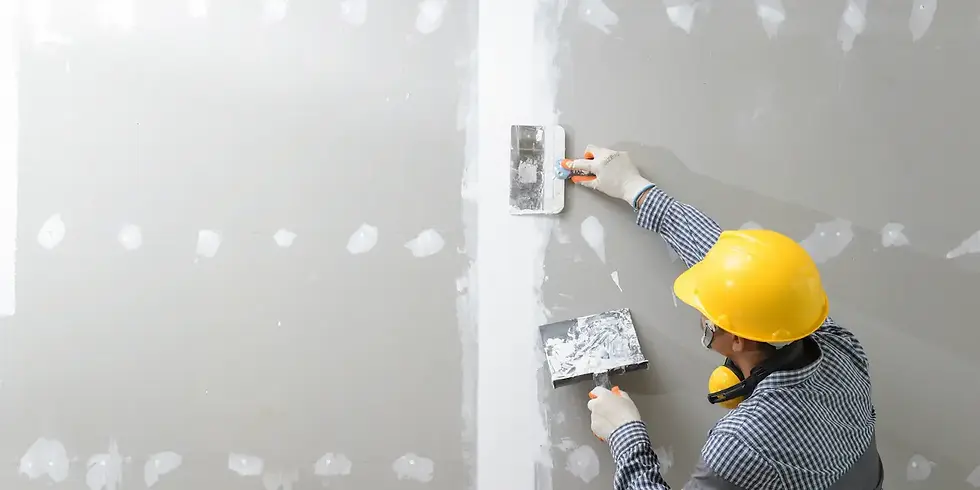
For example, a poor patch may crack again or stand out after painting. A well finished repair blends into the wall and remains stable. The same is true for corners, seams, and ceiling surfaces. Quality workmanship protects the look of the home and reduces the need for repeated fixes.
Durable interiors save homeowners time, stress, and money. They also support property value because buyers and guests notice when a home feels well cared for.
Why should you choose an experienced contractor for drywall finishing?
An experienced contractor knows how to spot problems early and fix them the right way. They understand how drywall behaves, how much compound to apply, how to sand without damaging the surface, and how to create clean transitions between walls and ceilings.
Experience also matters because every home is different. Some rooms need patching. Others need skim coating. Some ceilings have old texture. Others need new drywall after renovation. A skilled team adjusts the process based on the condition of the space and the final goal.
Bartilucci Construction highlights craftsmanship, precision, and a full service approach on its website, which aligns well with interior work that depends on careful execution. For homeowners in Shelter Island who want quality remodeling and finishing, that kind of local experience can add confidence to the project.
How do drywall and finishing touches create solid interiors?
Drywall and finishing touches create solid interiors by turning the structure of a home into a complete living space. Framing gives the home shape, but drywall gives it form, comfort, and style. Finishing details then refine that surface until the room feels truly done.
This process supports both strength and appearance. Smooth walls, repaired surfaces, neat seams, and clean edges all work together to create interiors that look polished and feel durable. Whether you are updating one room or planning a full renovation, these details help your home function better and look better every day.
In the end, solid interiors come from solid workmanship. Bartilucci Construction understands that strong homes need more than the basics. They need thoughtful finishing from start to finish. When homeowners invest in quality drywall and finishing work, they create spaces that feel clean, welcoming, and built to last. Bartilucci Construction brings that focus on craftsmanship and detail to the kind of interior work that helps a house feel like home.
FAQs
What is the purpose of drywall in a house?
Drywall creates the main surface for interior walls and ceilings. It covers framing and gives rooms a smooth base for paint, trim, and design finishes.
How do I know if my drywall needs repair?
You may need drywall repair if you see cracks, holes, dents, nail pops, water stains, or rough patchy areas on walls or ceilings.
Is skim coating worth it before painting?
Yes, skim coating is often worth it if the wall has many flaws, uneven texture, or old patch marks. It helps create a smoother and cleaner final paint finish.
How long does drywall finishing take?
The time depends on the size of the job and the condition of the walls. Most projects need multiple steps because joint compound must dry before sanding and recoating.
Can smooth drywall improve home value?
Smooth drywall can improve the overall look of a home, which supports buyer appeal. Clean interior finishes often make spaces feel newer and better maintained.
What is the difference between drywall installation and drywall finishing?
Drywall installation means placing and securing the drywall panels. Drywall finishing means taping, mudding, sanding, and smoothing the seams and surface so the wall is ready for paint.
Why do drywall seams show after painting?
Seams may show after painting if the finishing work was uneven, the sanding was poor, or the surface was not prepared correctly before paint was applied.
Should I repair drywall before a remodel or painting project?
Yes, it is best to repair drywall before painting or finishing upgrades. A smooth wall helps every other part of the project look better.


Comments