


How to Protect a Shelter Island Home Roof From Salt Air, Wind, and Heavy Rain

Updated: 5 days ago
Living on Shelter Island is a dream for many homeowners. The water views, the quiet roads, and the tight-knit community make it one of the most special places to live in New York. But that same coastal setting brings real challenges for your home, especially your roof. Salt air drifts in from the bay every single day. Strong winds push against your shingles season after season. And heavy rainstorms roll through with little warning, testing every weak point in your roofing system.
Your roof is the first line of defense for your home. When it fails, everything below it is at risk. That is why Shelter Island homeowners need a clear plan to keep their roofs strong and protected all year long. At Bartilucci Construction, we have worked on roofs across this island for years. We know exactly what coastal weather does to roofing materials and what you need to do to stay ahead of the damage.
In this guide, we will walk you through the most important steps to protect your Shelter Island home roof from salt air, wind, and heavy rain. Whether your home sits near the water or further inland, these tips will help you get more life out of your roof and avoid costly repairs.
What Makes Shelter Island Roofs Different From Mainland Roofs?
Roofs on Shelter Island face a combination of weather conditions that most mainland homes never deal with. The island sits surrounded by water on all sides. That means salt air is a constant presence. Salt is corrosive. Over time, it breaks down roofing materials, weakens metal flashings, and degrades the protective granules on asphalt shingles.
Wind on Shelter Island is also stronger and more frequent than in inland areas. Coastal gusts can lift shingles, push water under flashing, and stress the nails and fasteners that hold your roof together. During nor'easters and summer storms, the wind damage can be severe.
Heavy rain is another challenge. When storms hit, large amounts of rainwater hit your roof in a short time. If your gutters are clogged, your drainage is poor, or your flashing is loose, that water finds a way inside.
This combination of salt, wind, and rain means your roof ages faster on Shelter Island than it would in a dry inland town. Understanding that reality is the first step toward protecting your investment.
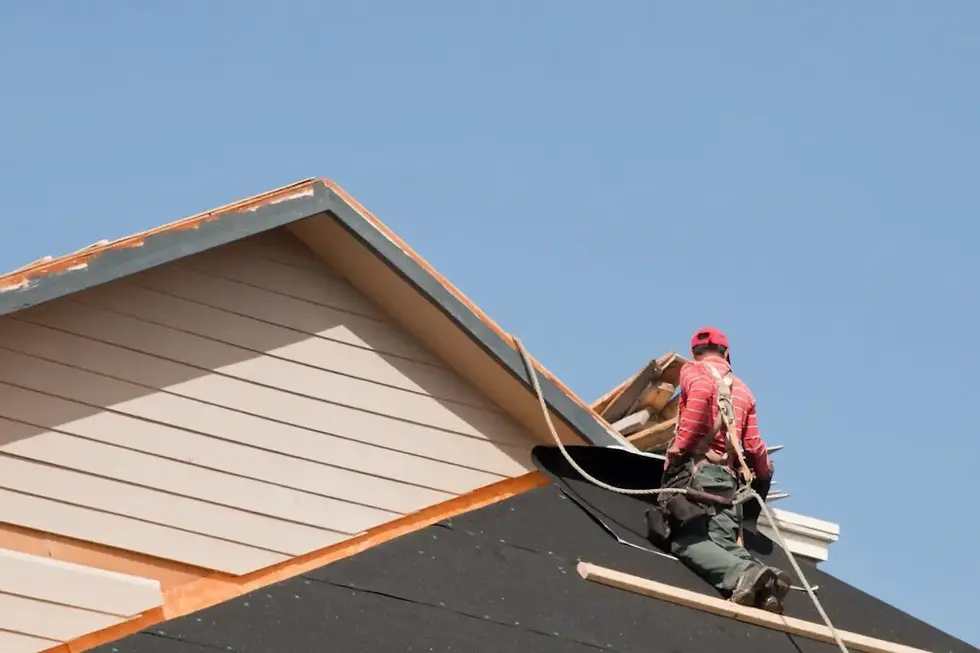
How Does Salt Air Damage a Roof Over Time?
Salt air damage is slow and quiet. You will not notice it after one day or one week. But over months and years, the salt that settles on your roof causes serious problems.
How Does Salt Air Damage a Roof Over Time?
Salt air damage is slow and quiet. You will not notice it after one day or one week. But over months and years, the salt that settles on your roof causes serious problems.
What Does Salt Actually Do to Roofing Materials?
Salt is highly corrosive to metals. The metal flashings around your chimney, vents, and skylights are the most vulnerable spots. When salt sits on these metal surfaces and moisture is present, it speeds up rust and corrosion. Once flashing corrodes, water gets under it and into your roof deck.
For asphalt shingles, salt breaks down the protective surface granules. Those granules are there to reflect UV rays and protect the asphalt layer underneath. When they wear away too fast, your shingles become brittle and crack sooner than expected.
Wood shake roofing absorbs moisture easily in a salty coastal climate, which leads to rot, mold, and splitting over time.

How Do You Slow Down Salt Air Damage?
EThe most effective way to slow salt air damage is to wash your roof regularly. A gentle low-pressure rinse with clean water removes salt deposits before they sit too long. You should also apply a water-repellent sealant to metal components each year. Ask your roofing contractor to inspect flashings closely at every service visit, because that is where salt corrosion usually shows up first.
Choosing salt-resistant roofing materials during installation also makes a big difference. Metal roofing with a high-quality coating or synthetic roofing products tend to hold up better in coastal conditions than basic asphalt shingles.
What Are the Best Roofing Materials for Coastal Homes on Shelter Island?
The roofing material you choose makes a major difference in how well your roof handles the coastal environment. Not every material performs equally when exposed to constant salt air, wind, and moisture.
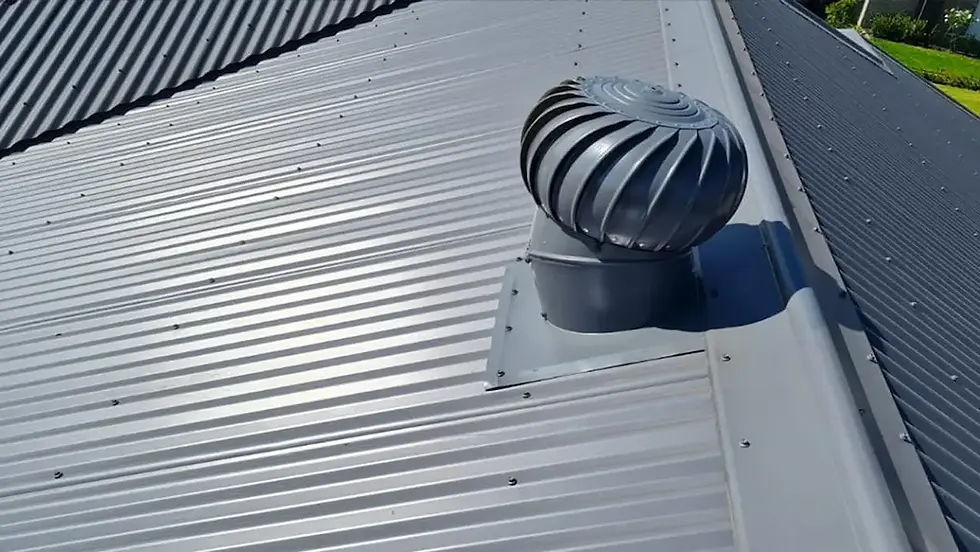
Metal Roofing
Metal roofing is one of the top choices for coastal homes. High-quality coated steel or aluminum roofing resists corrosion, handles high winds well, and lasts significantly longer than asphalt shingles in coastal conditions. Metal roofs also shed water quickly, which reduces the risk of water pooling and leaks.
Synthetic Roofing
Synthetic roofing products are made from engineered polymers that do not absorb moisture and resist UV and salt degradation. They are a smart option for Shelter Island homeowners who want low maintenance and strong weather resistance.
Architectural Asphalt Shingles
If you prefer a traditional look, architectural or dimensional asphalt shingles offer better performance than standard three-tab shingles. They are thicker, heavier, and have better wind resistance ratings. When installed correctly with proper underlayment, they can hold up well even in coastal climates.
Slate Roofing
Natural slate is extremely durable and handles moisture well. It does not absorb salt the way wood does, and it can last for decades with proper maintenance. Slate is heavier and more expensive, but it is a premium option for homeowners who want a long-term solution.
How Do You Wind-Proof a Shelter Island Roof?
Wind is one of the biggest threats to roofs in coastal areas. A gust that might feel moderate on the mainland can become much stronger on an island with no natural windbreaks.
What Wind Damage Looks Like on a Roof
Wind damage can range from a few lifted shingles to entire sections of roofing being torn away. Even when shingles look intact from the ground, wind can break the seal strips that hold shingles flat. Once those seals break, wind gets under the shingle edge on the next storm and lifts it further.
Flashing damage is also common after high winds. Wind pushes against the edges of flashing and loosens the nails or sealants holding it in place. Once flashing lifts, rain gets in easily.
Steps to Protect Your Roof From Wind
The most important step is using roofing materials with a high wind resistance rating. Look for shingles rated for at least 110 to 130 mph winds when re-roofing a coastal home. The number of nails used per shingle matters too. Standard installation uses four nails, but in high-wind zones, roofers should use six nails per shingle for a stronger hold.
Roof edge metal, also called drip edge, should be installed correctly along the eaves and rakes. This metal piece prevents wind from getting under the shingles at the edges, which is where wind damage usually starts.
You should also keep trees trimmed back from your roof. Overhanging branches act like sails in high winds and can scrape, puncture, or crack shingles during a storm.
How Does Heavy Rain Damage a Roof and What Can You Do About It?
Heavy rain tests every weak point in a roofing system. When a lot of water falls fast, the roof needs to move it away quickly and efficiently. Any gap, crack, or clog in the system creates a risk of water getting inside.
Common Entry Points for Rain Damage
Flashing is the number one entry point for rainwater. Anywhere two surfaces meet on a roof, such as around chimneys, valleys, skylights, and vents, there is flashing installed to seal the joint. When flashing ages, cracks, or lifts, rain enters through those gaps.
Damaged or missing shingles are another common entry point. Even one cracked or displaced shingle can allow water to reach the roof deck below it.
Clogged gutters are a major issue during heavy rain. When gutters are full of leaves and debris, water backs up along the eaves. This creates ice dams in winter and water infiltration along the roof edge in summer storms.
How to Prepare Your Roof for Heavy Rain
Clean your gutters at least twice a year, once in the spring and once in the fall. On Shelter Island, where trees drop leaves onto roofs near the water, you may need to clean them more often.
Make sure your downspouts direct water away from your foundation. Downspout extensions are inexpensive and prevent water from pooling around your home.
Check your roof's valleys, which are the angled channels where two roof slopes meet. Leaves and debris collect in valleys and trap moisture. Keeping valleys clean and properly sealed is critical for rain protection.
Why Is Regular Roof Inspection So Important on Shelter Island?
Many homeowners wait until they see a water stain on the ceiling before they call a roofer. By that point, the damage is already significant. Regular professional roof inspections catch problems early, before small issues turn into expensive repairs.
On Shelter Island, we recommend scheduling a roof inspection at least once a year, ideally in the fall before winter storms arrive. After any major storm event, a post-storm inspection is also a smart move. Wind, hail, and heavy rain can cause damage that is not visible from the ground but shows up clearly when a trained roofer walks the roof.
A professional inspection checks the condition of shingles, flashings, gutters, sealants, ridge caps, soffit, and fascia boards. The roofer looks for signs of corrosion, lifting, cracking, granule loss, and any areas where water may be entering.
What Roof Maintenance Tasks Should Shelter Island Homeowners Do Every Year?
Roof maintenance does not require a lot of time, but it does require consistency. Doing a few simple tasks each year extends the life of your roof and prevents expensive damage.
Annual Roof Maintenance Checklist
Clear all debris from the roof surface, especially from valleys and around flashings. Debris holds moisture and speeds up deterioration.
Inspect and reseal flashings around the chimney, vents, and skylights. Sealant cracks over time due to temperature changes and UV exposure. Reapplying sealant is a quick fix that prevents major leaks.
Check gutters and downspouts for clogs, sagging, or loose connections. Replace any sections that are pulling away from the fascia.
Look at the soffit and fascia boards for signs of rot or moisture damage. These wood components sit at the roof's edge and are vulnerable to water exposure.
Trim back any branches that hang over the roof. Falling limbs and constant rubbing from branches cause surface damage to shingles.
How Do You Know When It Is Time for a Roof Replacement on Shelter Island?
Not every roof problem can be fixed with a patch. At some point, repairs stop making sense and a full roof replacement becomes the smarter financial decision. Knowing the signs helps you plan ahead instead of reacting to an emergency.
Most asphalt shingle roofs last between 20 and 30 years in normal conditions. On Shelter Island, the coastal environment shortens that lifespan. If your roof is over 15 to 20 years old and showing multiple signs of wear, replacement is worth considering.
Signs that point toward replacement include shingles that curl at the edges, widespread granule loss visible in gutters, multiple areas of missing shingles, sagging roof sections, and visible daylight through the attic. If you are calling for repairs every year, the cost of those repairs may soon exceed the cost of a new roof.
What Should You Ask a Roofer Before Hiring Them on Shelter Island?
Not every roofing contractor has experience with coastal homes. When you hire a roofer on Shelter Island, you want someone who understands what salt air, coastal winds, and heavy seasonal rain do to roofing systems. Hiring a mainland contractor who does not know the island's climate or building patterns is a risk.
Ask if they have experience installing and repairing roofs in coastal areas. Ask what wind resistance ratings they recommend for local homes. Ask how they handle flashing in corrosive salt air environments. Ask if they are licensed and insured and whether they will handle the permit process.
A good roofer answers these questions clearly and confidently. A great roofer, like the team at Bartilucci Construction, lives right here on Shelter Island and already knows the answers because they have been doing this work in this specific climate for years.
Conclusion
Your Shelter Island home faces real and ongoing challenges from salt air, coastal winds, and heavy rain. These elements do not take a break, and your roof cannot afford to either. The good news is that with the right materials, regular maintenance, and professional inspections, you can keep your roof in strong condition for many years.
Start with the basics: inspect your roof annually, clean your gutters regularly, check your flashings, and choose roofing materials built for coastal conditions. If you are not sure where your roof stands right now, schedule a professional inspection before the next storm season hits.
Bartilucci Construction is Shelter Island's locally based, trusted roofing contractor. Our team lives here, works here, and understands exactly what this island's weather demands from a roof. Whether you need a simple repair, a full inspection, or a complete roof replacement, we bring the experience and commitment that only a local contractor can offer. Call us at 631-229-7124 or visit our website to get your free estimate today.

Frequently Asked Questions
How often should I have my Shelter Island roof inspected?
You should have your roof professionally inspected at least once a year, ideally in the fall before winter storms. After any major storm event, a follow-up inspection is strongly recommended to catch wind or water damage early.
What roofing material holds up best against salt air on Shelter Island?
Metal roofing with a quality corrosion-resistant coating and synthetic roofing products tend to perform best in salty coastal climates. Architectural asphalt shingles with proper underlayment are also a good option when installed with high-wind fastening techniques.
How do I know if wind has damaged my roof after a storm?
Signs of wind damage include missing or lifted shingles, exposed roof deck areas, loose flashing, and granules collecting in your gutters. You may not see the damage from the ground, so a professional inspection after any significant storm is the best way to assess the condition of your roof.
Can salt air really damage my roof if I live inland on Shelter Island?
Yes. Even homes that are not right on the water still experience salt air because the island is surrounded by water on all sides. The salt travels through the air and settles on roofing surfaces across the entire island.
How long does a roof last on Shelter Island compared to a mainland home?
Coastal conditions, including constant salt exposure, humidity, and stronger winds, can shorten the lifespan of roofing materials by several years compared to inland homes. Regular maintenance and using coastal-appropriate materials help you get the most life out of your roof.


Comments